
Manufacturing Formats
Service Overview
Product Genres
Award Winning Manufacturing

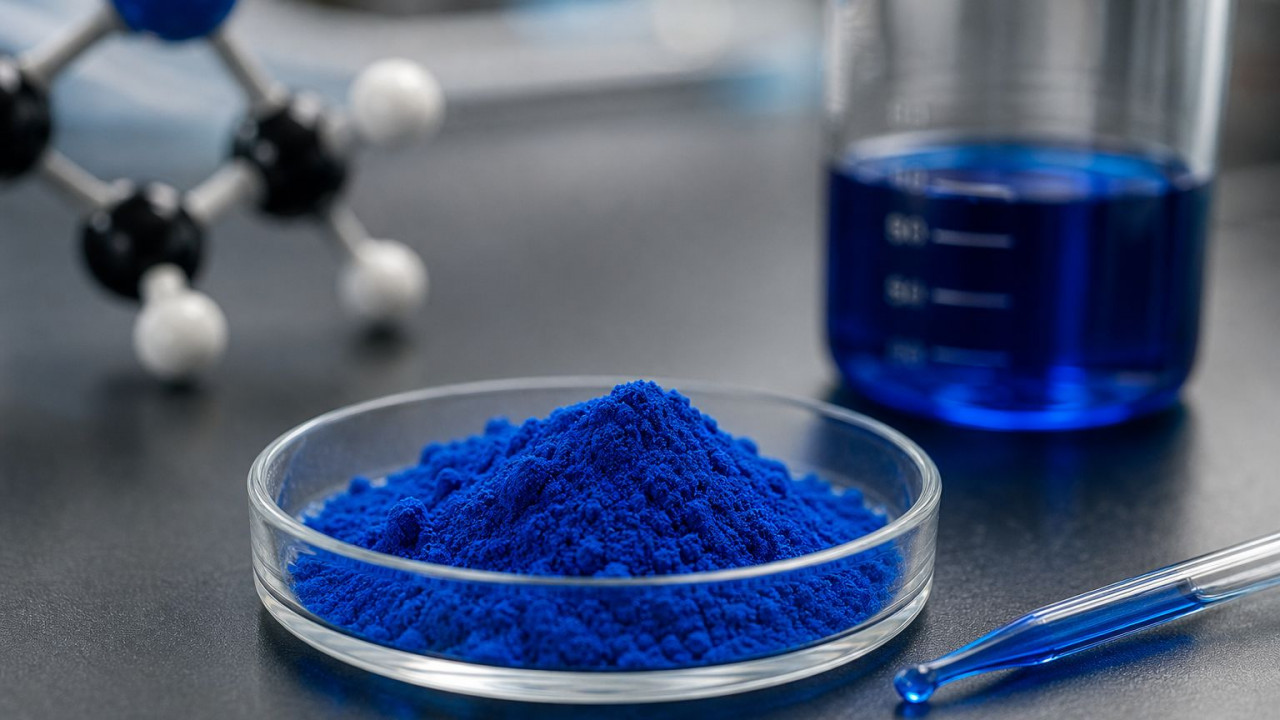
Methylene Blue is a synthetic compound originally developed as a dye, but it has since found various biomedical and chemical uses. In the supplement industry, methylene blue is being explored for its potential effects on cognitive function and cellular energy, particularly in the realm of nootropic and mitochondrial support products. Although it's not as broadly used as vitamins or amino acids, brands looking to provide innovative science-forward products may be interested in including methylene blue in a private label supplement line. Understanding methylene blue’s biological roles and safety profile is essential for proper positioning in your supplement offerings and to meet the expectations of informed consumers.
Methylene Blue is a synthetic thiazine dye with the chemical formula C16H18ClN3S. Beyond its use as a stain in laboratories, it is notable for being one of the earliest synthetic medications and is still an important agent in medical and scientific settings. In the body, methylene blue is known to interact with cellular energy systems, particularly in the mitochondria. The compound can act as an electron cycler, affecting the way cells manage oxidative processes. It does not naturally occur in foods or in the human body, making its supplementation unique compared to nutrients like vitamins or minerals. Formulators should be aware that methylene blue's pharmacokinetics, absorption, and metabolic processing can vary by dose and mode of delivery, making standardized forms and controlled dosages particularly important for consumer safety and product consistency.
Methylene Blue’s interest in the supplement sector is largely driven by its potential effects on brain health, mental clarity, and cellular energy. Consumers seeking enhanced focus or metabolic support may be interested in products containing this compound. While most scientific evidence emerges from preclinical and small-scale human investigations, the proposed mechanisms involve support of mitochondrial function and neuroprotection. Brands should balance emerging research with responsible positioning, making it clear that benefits are still being investigated and not all claims are backed by large-scale human studies.
Methylene blue has been studied for its ability to support mitochondrial function and cellular energy production. Preliminary research suggests it may aid the efficiency of the electron transport chain, making it of interest for consumers seeking cellular energy optimization. Evidence is still emerging and should be presented with appropriate context in product claims.
The compound is being explored for potential cognitive-enhancing effects, including support for memory and mental clarity. While some laboratory studies indicate possible benefits for brain health, robust clinical validation remains limited. As such, positioning in brain and focus products should emphasize scientific curiosity rather than proven results.
Methylene blue shows emerging evidence for antioxidant and neuroprotective actions in preclinical research. These properties suggest possible value in products targeting long-term brain wellness, but brand owners should avoid overpromising until more data is available.
Common supplements featuring methylene blue are typically formulated for cognitive enhancement and mitochondrial support. Due to its striking blue color and strong dye properties, formulation requires careful handling to avoid unwanted staining or stability issues. Popular supplement formats for methylene blue include:
Careful attention to purity, ingredient compatibility, and regulatory compliance is critical when designing such products.
Potential side effects of methylene blue include mild to moderate symptoms such as headache, dizziness, nausea, and gastrointestinal upset. High doses can be associated with more serious complications, including serotonin syndrome if combined with certain serotonergic medications. Individuals with G6PD deficiency should avoid methylene blue due to the risk of hemolytic anemia. The pronounced coloring of the compound can also cause visual discoloration of urine and mucous membranes, which should be communicated to consumers. Thorough review of dosing, potential interactions, and clear product labeling are necessary to minimize risks.
Brands choose to manufacture supplements with methylene blue to appeal to consumers interested in innovative cognitive and cellular health products. Careful sourcing of high-purity, pharmaceutical-grade methylene blue is essential to ensure safety and regulatory compliance. It is commonly manufactured into capsules and tablets, but can also be formatted as a powder for precise dosing. Its intense color may pose challenges in gummy or softgel applications, requiring specialized formulation knowledge. As a partner, Makers Nutrition offers guidance and support through every step of the supplement manufacturing process, from ingredient specifications through packaging and labeling. Request a quote today to explore the possibilities for your brand.
What is Methylene Blue used for in supplements?
Methylene blue is used in supplements primarily to support cognitive function and mitochondrial energy processes. It targets consumers interested in focus, mental clarity, and cellular health. While preclinical and limited clinical data are promising, more evidence is needed before definitive health claims can be made.
What forms of Methylene Blue are used in supplements?
In supplements, methylene blue is usually found as a pure, pharmaceutical-grade powder or blended into encapsulated or tablet forms. Attention to ingredient quality and dosage standardization is essential, as absorption and safety can depend on delivery method and concentration.
Is Methylene Blue safe to include in supplement formulas?
Methylene blue requires careful formulation and dosing, as side effects and drug interactions are possible—especially at higher amounts or in sensitive individuals. Those with certain medical conditions (such as G6PD deficiency) should not use products with methylene blue. Safety review and compliance with labeling regulations are essential for responsible use.
What products can Methylene Blue be added to?
Methylene blue is suitable for inclusion in capsules, tablets, and some powders. Its intense color can pose challenges for other formats such as gummies or liquids. Carefully consider raw material compatibility and appearance when selecting product types.
Formula Selection