
Manufacturing Formats
Service Overview
Product Genres
Award Winning Manufacturing

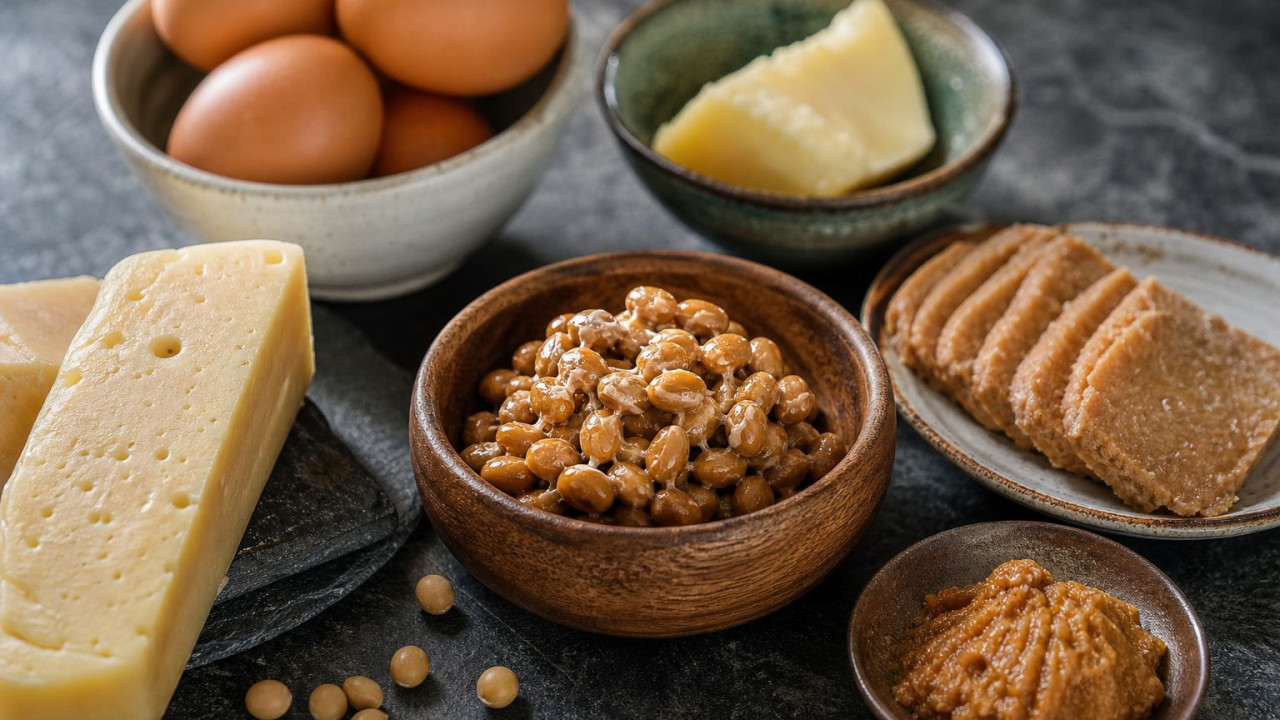
Vitamin K2 is a fat-soluble vitamin found in certain animal-based and fermented foods, as well as produced by bacteria in the human gut. It plays a key role in supporting specific bodily processes that are attracting attention in the supplement sector. As more consumers seek products for bone, cardiovascular, and overall wellness, Vitamin K2 offers a valuable option for enriching your private label supplement line. Understanding what Vitamin K2 does and how it functions positions your brand to develop and market products with accuracy and confidence in today's competitive landscape.
Vitamin K2, also known as menaquinone, is one of the two main forms of vitamin K—the other being vitamin K1 (phylloquinone). Unlike K1, which is commonly found in green leafy vegetables, K2 is primarily sourced from fermented foods (like natto), certain cheeses, and animal products. In the body, Vitamin K2 is involved in activating proteins that regulate calcium metabolism, helping direct calcium to bones and teeth and away from soft tissues. The most studied forms are MK-4 and MK-7, each with distinct absorption and half-life characteristics—MK-7 typically offers longer-lasting activity. Bioavailability is enhanced when consumed with dietary fats, which is an important formulation consideration.
Vitamin K2 contributes to several important functions in the body, making it a sought-after ingredient for supplement brands targeting consumers pursuing bone strength, heart health, and general wellbeing. Research suggests it supports calcium regulation, but the scientific strength varies between benefits. Supplement formulation with Vitamin K2 requires a nuanced approach, as messaging must align with emerging—but not always conclusive—evidence and regulatory guidance.
Vitamin K2 contributes to bone health by activating osteocalcin, a protein involved in binding calcium to bone matrix. Evidence for its role in supporting bone mineral density is established for deficiency correction, with some emerging data supporting use in supplementation for otherwise healthy adults. Co-formulation with vitamin D3 is common for synergistic positioning.
Vitamin K2 helps support normal calcium metabolism, reducing the risk of unwanted calcium deposition in blood vessels. Research linking vitamin K2 to cardiovascular health is promising but not fully conclusive for the general population. This area is positioned for consumers seeking supplemental heart and vascular support within broader wellness blends.
For consumers with limited dietary intake of fermented foods or certain animal products, Vitamin K2 can help fill potential nutrient gaps. While deficiency is uncommon in many populations, supplementation may appeal to those seeking comprehensive micronutrient coverage, especially in multivitamins.
Vitamin K2 is included in numerous supplement categories due to its suggested roles in bone, cardiovascular, and general wellness. Strategic combinations with other nutrients enhance its appeal for diverse consumer groups.
Formulators should carefully consider the specific form (MK-4, MK-7) and dosage, as well as labeling for target demographics and regional regulations.
Vitamin K2 is generally well tolerated at levels found in food and typical supplement doses. However, excessive intake may not be suitable for everyone. Individuals taking anticoagulant medications (like warfarin) should avoid supplemental vitamin K2 without medical supervision due to potential interactions affecting blood clotting. Most side effects are rare, but digestive discomfort is occasionally reported. Formulation should take into account population-specific needs, and clear labeling is necessary to inform consumers about potential interactions and suitability.
Brands choose Vitamin K2 for its distinct market positioning and formulation flexibility. High-quality sourcing is essential, as MK-4 and MK-7 forms require rigorous specification for potency and stability. Makers Nutrition facilitates ingredient compatibility across a wide array of supplement forms—including capsules, tablets, softgels, powders, and gummies—allowing you to tailor your private label products to your market’s preferences. With support in formulation, packaging, and fulfillment, Makers Nutrition can help you navigate the nuances of incorporating Vitamin K2 into your line. Request a quote to explore manufacturing options for Vitamin K2 supplements tailored to your brand's vision.
What is Vitamin K2 used for in supplements?
What forms of Vitamin K2 are used in supplements?
Is Vitamin K2 safe to include in supplement formulas?
What products can Vitamin K2 be added to?
Formula Selection